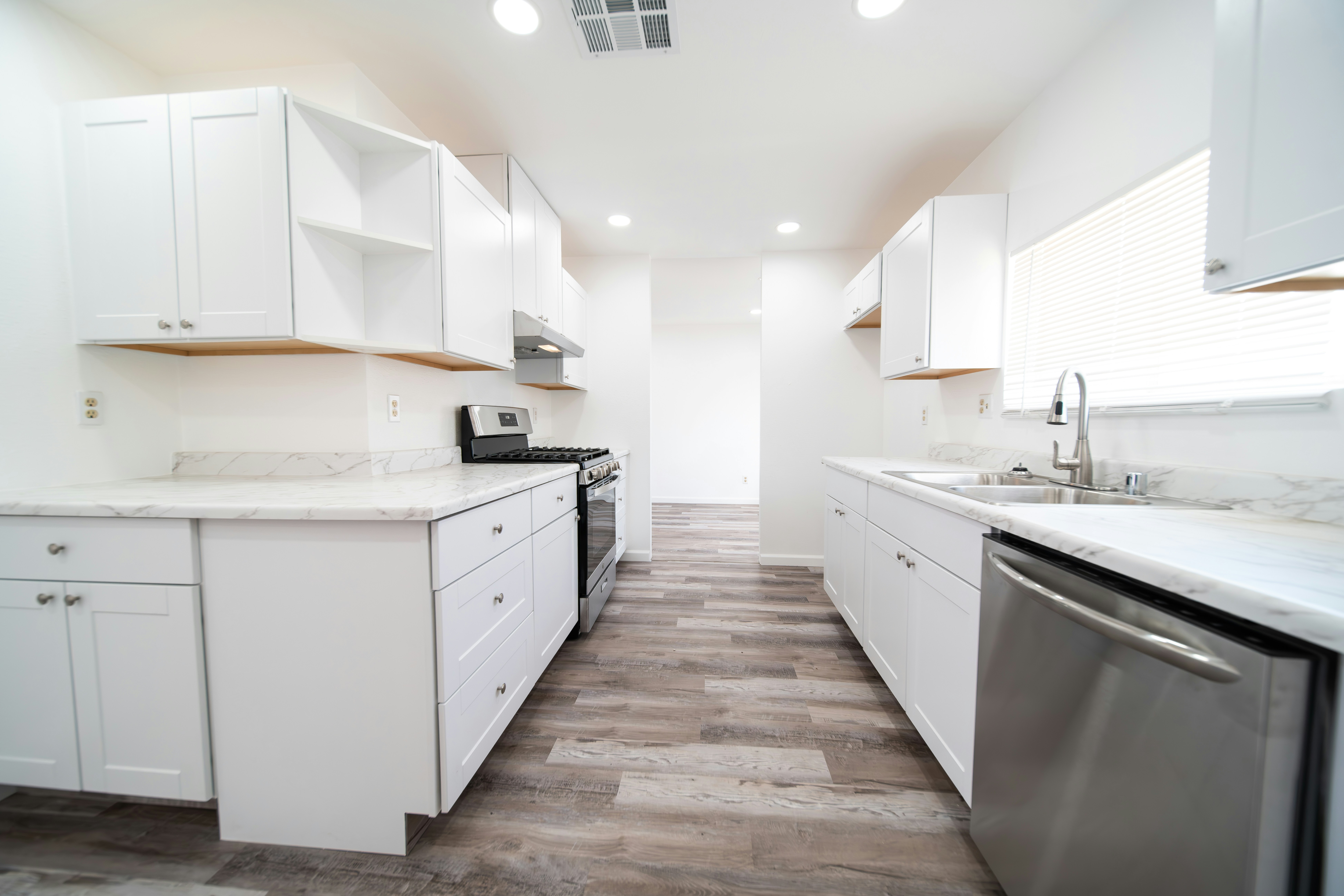
Superior Energy Efficiency
SIP panels provide a continuous layer of insulation with no interruption from studs, joists, or other framing members. This eliminates the thermal bridging that robs conventional stick-frame walls of their effective insulating value — delivering a home envelope that performs as well in practice as it does on paper.
- Continuous insulation — no thermal bridges
- Up to 50% reduction in heating & cooling costs
- Superior air tightness vs. conventional framing
- Qualifies for ENERGY STAR and Net Zero programs
Effective Wall R-Value Comparison
* Effective R-values account for thermal bridging at framing members. Stick-frame effective R-values are typically 30–40% lower than nominal values.
Exceptional Structural Strength
Our SIP panel is a structural composite — the fiber cement board facings and foam core work together as a stressed-skin system, similar to an I-beam. The result is a panel that resists racking, bending, and compressive loads far beyond what conventional framing can achieve.
- Stressed-skin construction — whole panel carries load
- Up to 6× greater racking resistance vs. stick frame
- Performs well in high-wind and seismic zones
- Engineered to meet all applicable building codes
- Monolithic shell reduces weak points at connections
Dramatically Faster Build Time
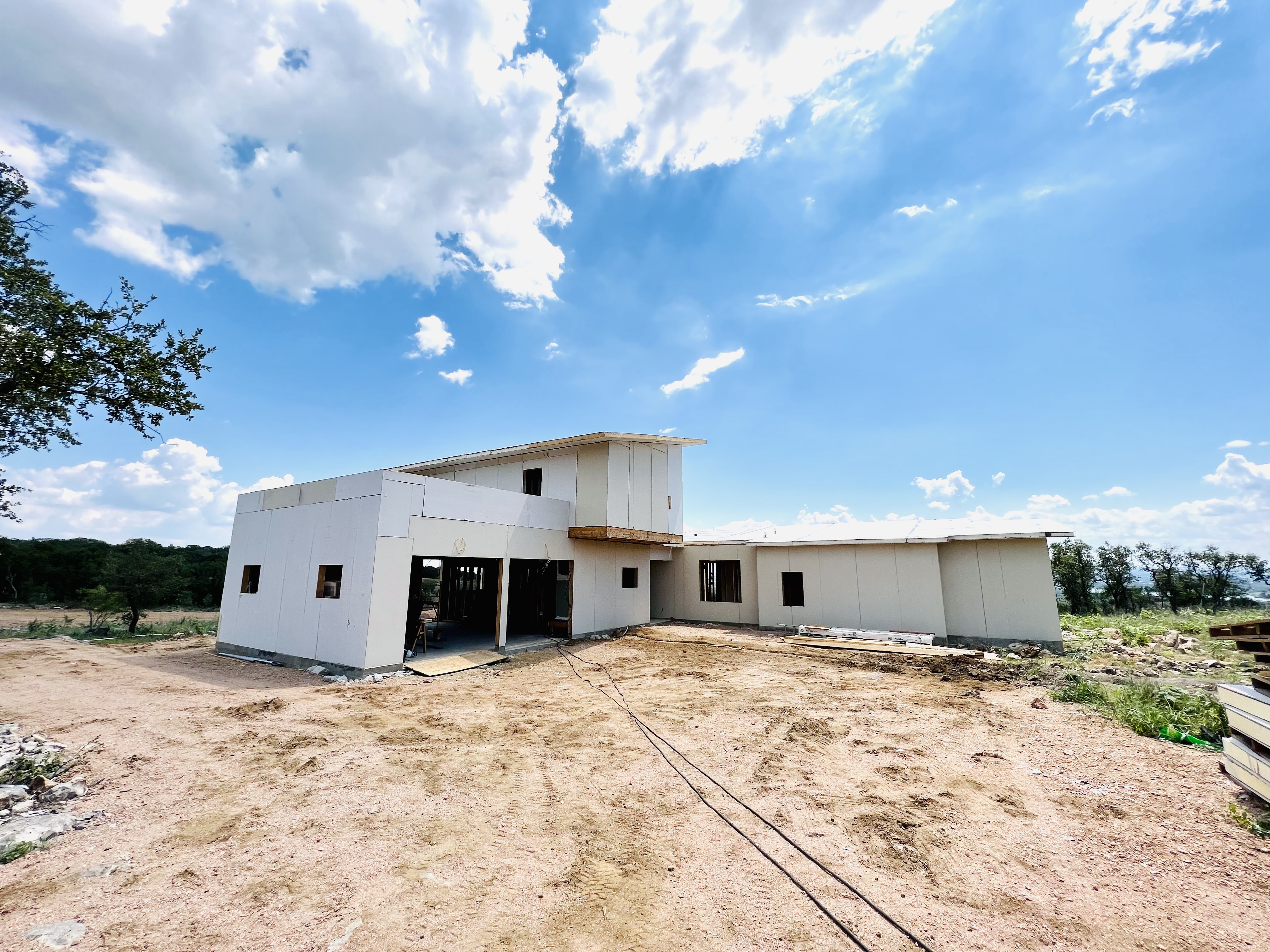
Because SIP panels combine framing, insulating, and sheathing into a single factory-produced component, the most labor-intensive phase of homebuilding is dramatically compressed. While your foundation is curing, your panels are being fabricated.
- Shell erection in days, not weeks or months
- Parallel scheduling — panels fabricated while site is prepped
- Reduced total construction timeline by 30–50%
- Faster move-in means less carrying costs for buyers
Days to erect a SIP shell
A typical 2,000 sq ft SIP home shell can be standing and weathertight in 3–5 days.
Equivalent stick-frame time
The same home framed with conventional lumber would typically take 4–6 weeks to reach the same stage.
Sustainable by Design
SIP construction uses less lumber than comparable stick-frame construction, produces less jobsite waste, and creates homes that consume significantly less energy over their lifetime. The environmental benefits compound over decades of ownership.
- 70% less lumber waste vs. stick frame
- Significantly less jobsite waste and landfill impact
- Lifetime energy savings reduce homeowner carbon footprint
- Compatible with solar, passive house, and net-zero strategies
- Foam core made from recycled or bio-based content options available
Better Indoor Comfort & Air Quality
The superior air tightness of a SIP home eliminates uncontrolled infiltration of dust, pollen, humidity, and outdoor pollutants. Combined with a properly designed mechanical ventilation system, SIP homes offer a healthier indoor environment and more consistent temperatures year-round.
- Airtight envelope eliminates drafts and cold spots
- Controlled ventilation improves indoor air quality
- Quieter interior — superior sound attenuation
- More consistent room-to-room temperatures